
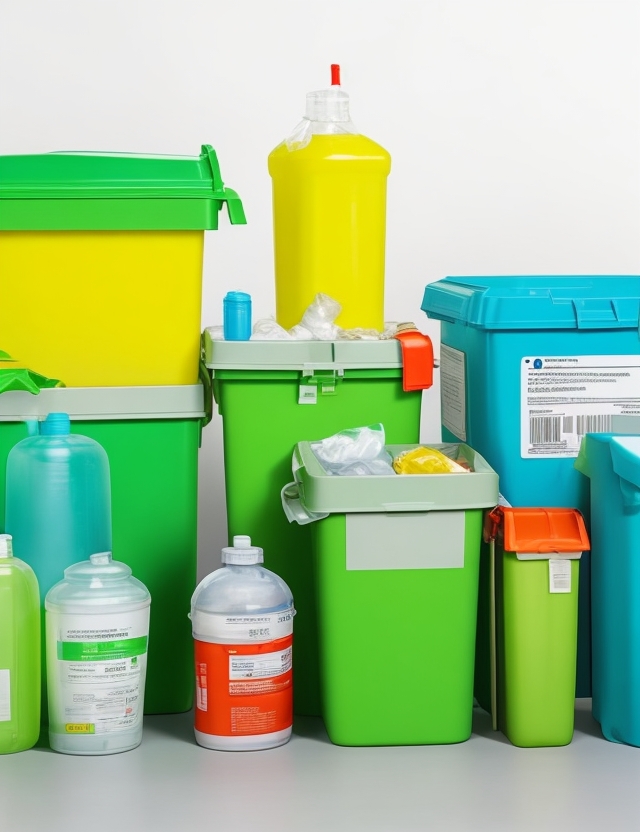
Biohazard bags, bins, and sharps containers are essential for the safe disposal of hazardous materials, especially in healthcare, laboratories, and other industries handling biological or chemical waste. Here’s a breakdown of the types and uses of each:
1. Biohazard Bags
- Types:
- Red Biohazard Bags: Typically used for medical waste that may be contaminated with potentially infectious materials (like blood-soaked bandages, gloves, gowns).
- Yellow Biohazard Bags: Used for chemotherapy waste or materials contaminated with cytotoxic agents.
- Clear or White Biohazard Bags: Sometimes used for non-infectious waste that still needs careful handling (e.g., gloves, masks).
- Autoclavable Biohazard Bags: Made to withstand high temperatures for steam sterilization before disposal.
- Uses:
- Disposal of materials that may contain blood, body fluids, or other potentially infectious substances.
- Safe collection of biological waste like lab cultures, swabs, and tissues.
- Use in hospitals, clinics, laboratories, and research facilities to prevent contamination and infection.
2. Biohazard Bins
- Types:
- General Biohazard Waste Bins: These are bins specifically designed to hold biohazard bags and often have biohazard labeling to indicate the contents.
- Sharps Waste Bins: Special biohazard bins with additional safety measures like puncture resistance for handling sharp objects.
- Sealed Biohazard Bins: These come with secure lids to prevent leakage or exposure to harmful substances.
- Uses:
- Safe storage of biohazard bags before collection or disposal.
- Prevent cross-contamination or accidental exposure to hazardous materials.
- Often placed in clinics, labs, and hospitals for easy access during procedures that involve biological waste.
3. Sharps Containers
- Types:
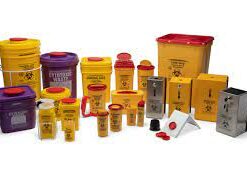
- Puncture-Resistant Plastic Containers: Made of hard, puncture-proof material, usually with a locking lid to prevent tampering.
- Single-Use Sharps Containers: Designed for one-time use; once full, they are sealed and discarded.
- Reusable Sharps Containers: Can be emptied and sterilized for reuse.
- Uses:
- Disposal of Sharps: These containers are used to safely collect and dispose of items like needles, scalpels, and other sharp instruments that can pierce skin or bags.
- Prevent Injury: Sharps containers minimize the risk of needlestick injuries and the spread of infections like HIV, hepatitis B, and C.
- Hazardous Chemical Disposal: Used in research labs for disposal of glass pipettes and other sharps that may be contaminated with toxic substances.
Summary of Uses:
- Biohazard Bags: For collecting and disposing of contaminated waste.
- Biohazard Bins: For secure storage of biohazard bags and larger quantities of waste.
- Sharps Containers: For safe collection of sharp objects like needles and glass to prevent injury and contamination.
Each of these plays a critical role in maintaining safety and hygiene, especially in environments where exposure to biological or chemical hazards is frequent.
Related products
Waste Bins
R245.69 ex VAT
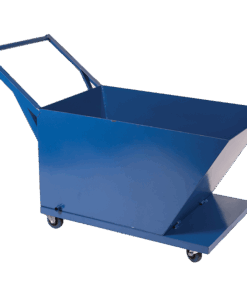
Waste Bins
R10,810.00 ex VAT

Waste Bins
R2,462.00 ex VAT
R270.01 ex VAT
Waste Bins
R273.81 ex VAT
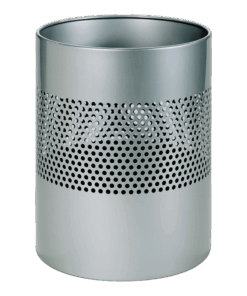
Waste Bins
R1,134.00 ex VAT

R271.53 ex VAT

Waste Bins
R1,409.00 ex VAT