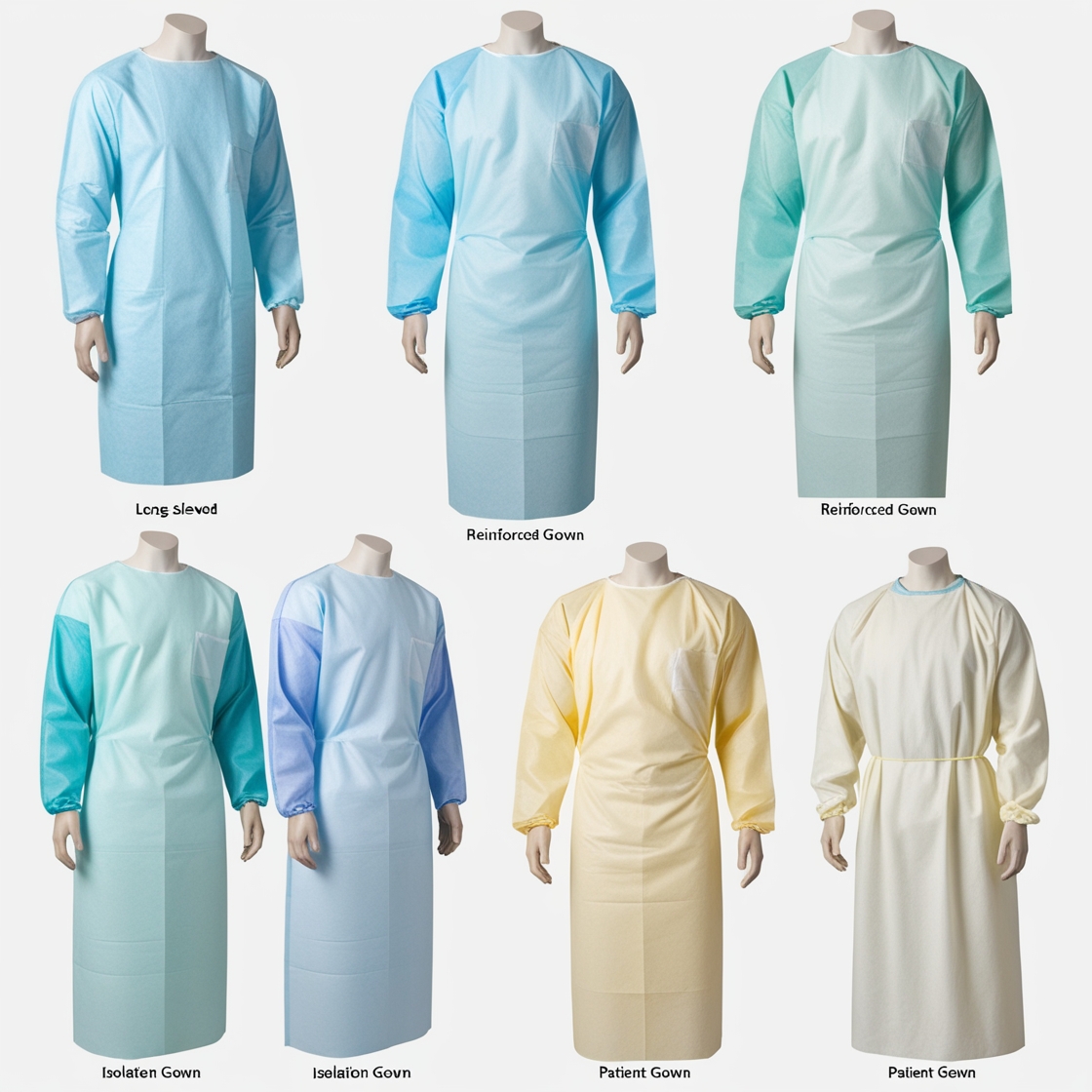


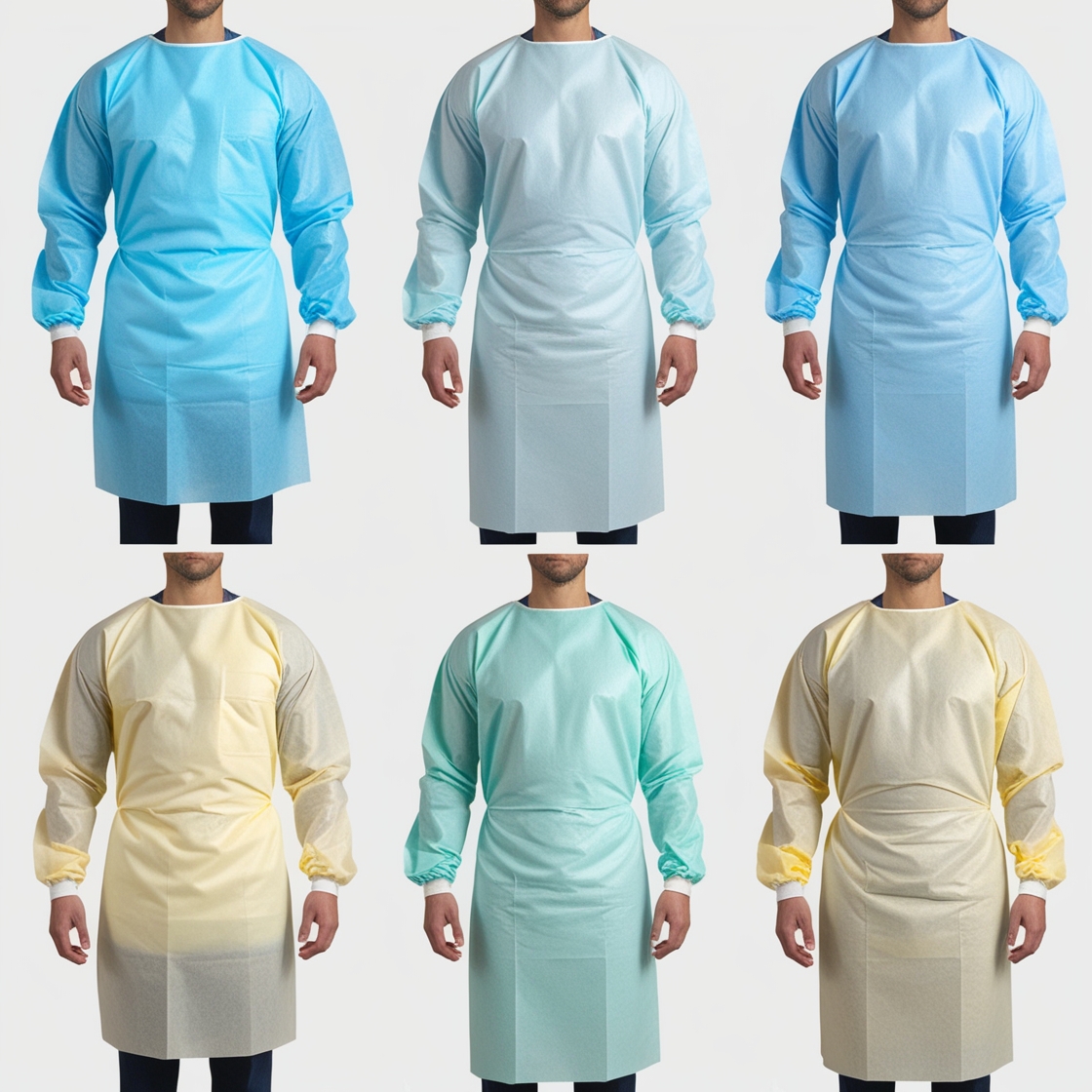
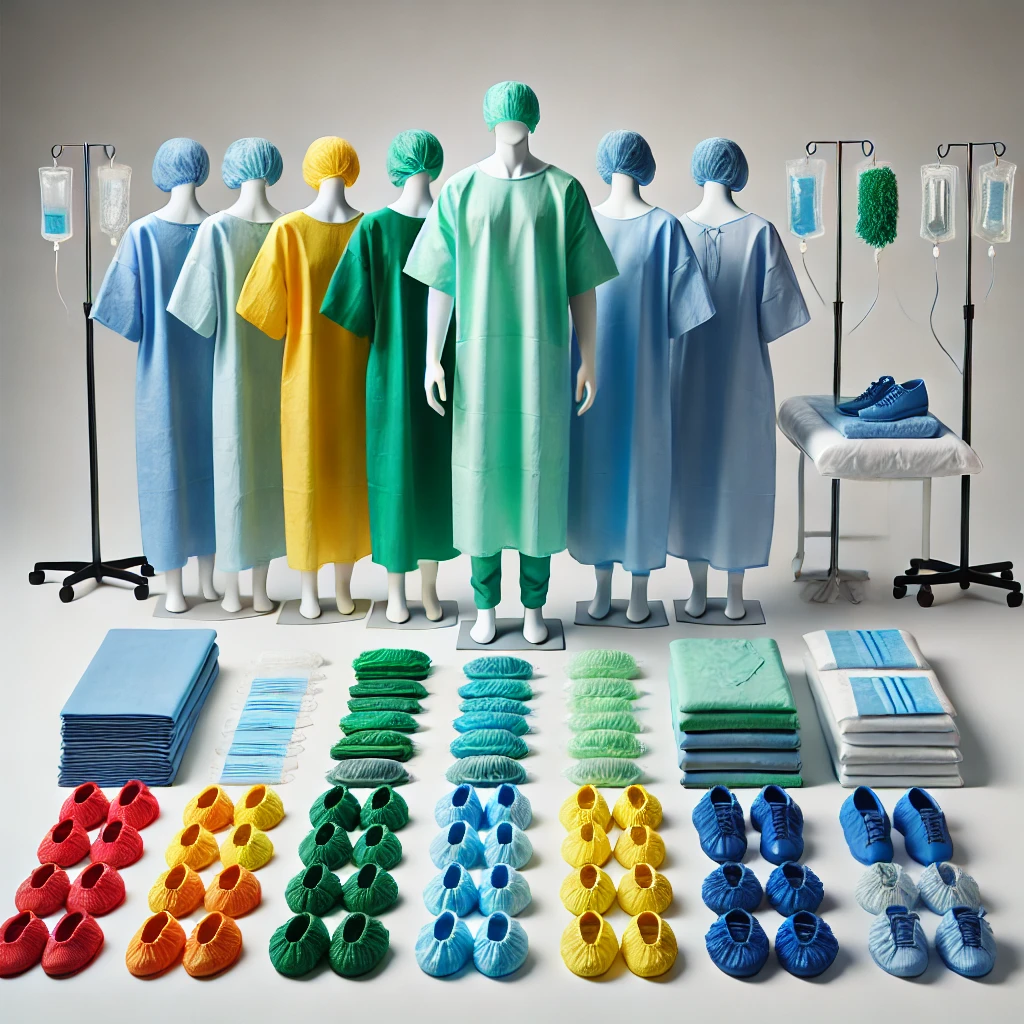

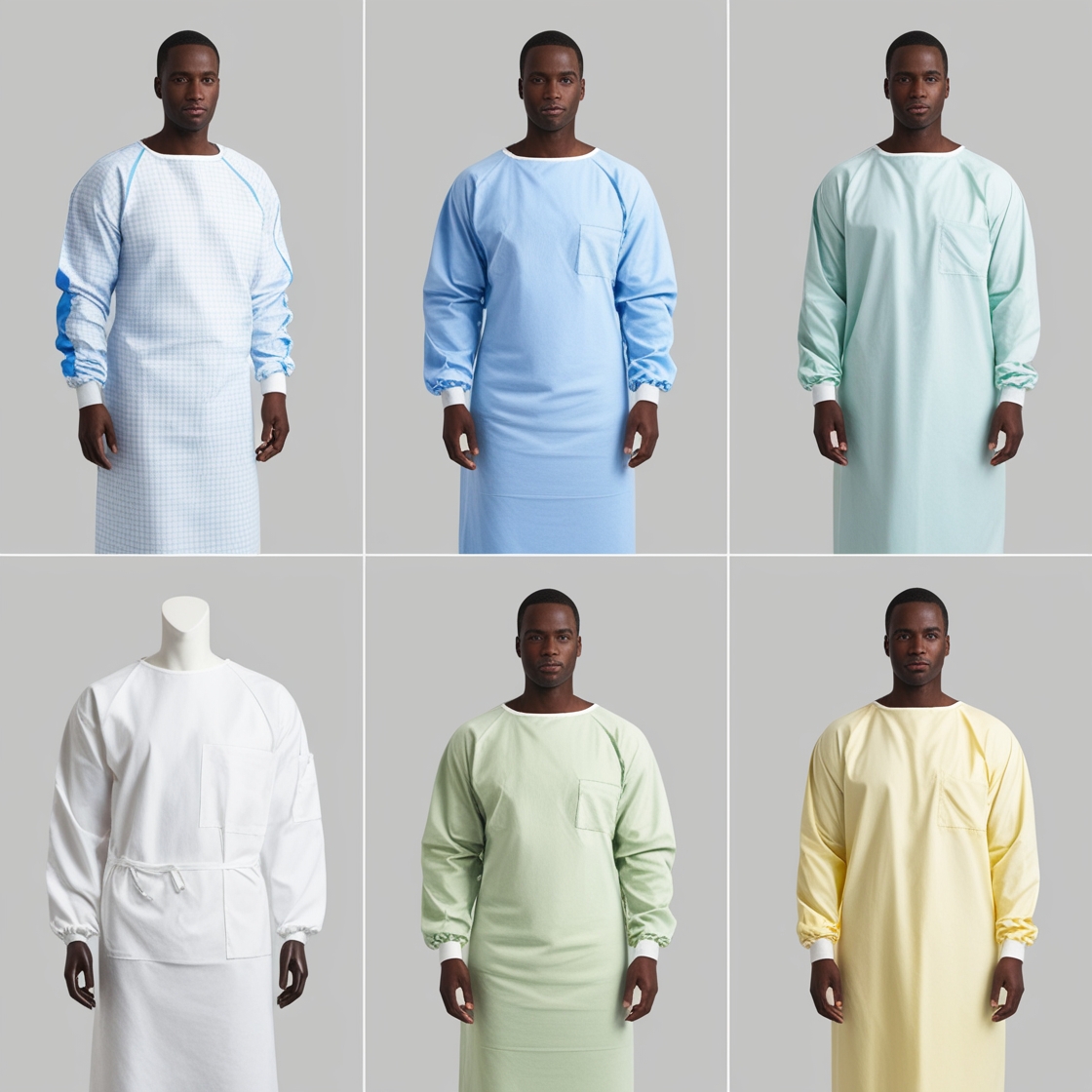



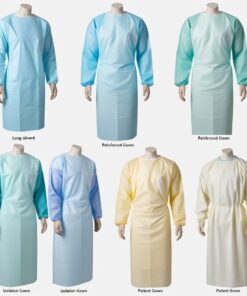


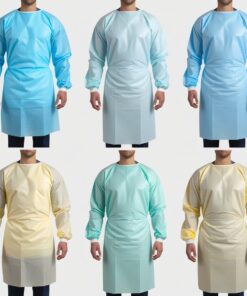







In a hospital setting, different types of gowns serve various purposes to ensure hygiene, safety, and infection control. Here are the main types of hospital gowns and their uses:
1. Surgical Gowns
-
Use: Worn by surgeons, nurses, and other medical staff in the operating room (OR) to prevent contamination.
-
Features:
-
Sterile
-
Fluid-resistant or fluid-impermeable
-
Long sleeves with elastic cuffs
-
Made of disposable or reusable materials
-
2. Isolation Gowns
-
Use: Used by healthcare workers when dealing with patients who have infectious diseases (e.g., COVID-19, MRSA).
-
Features:
-
Protects against contamination from bodily fluids
-
Can be sterile or non-sterile
-
Available in disposable and reusable options
-
3. Patient Gowns
-
Use: Worn by patients during hospital stays or medical examinations.
-
Features:
-
Open-back design for easy access during medical procedures
-
Lightweight and comfortable
-
Disposable or reusable
-
4. Cover Gowns (Protective Gowns)
-
Use: Used in environments where contamination is a concern, such as laboratories and emergency rooms.
-
Features:
-
Provides full coverage
-
Fluid-resistant or waterproof
-
Disposable
-
5. Chemotherapy Gowns
-
Use: Worn by healthcare workers administering chemotherapy drugs to protect against hazardous drug exposure.
-
Features:
-
Made of non-permeable material
-
Long sleeves with tight cuffs
-
Disposable, single-use
-
6. Procedure Gowns
-
Use: Used in non-surgical procedures like wound dressing changes or minor medical treatments.
-
Features:
-
Fluid-resistant but not as protective as surgical gowns
-
Available in different levels of protection
-
7. Lead Gowns (X-ray Gowns)
-
Use: Worn by medical professionals and sometimes patients during radiological procedures to protect against radiation exposure.
-
Features:
-
Contains lead or lead-equivalent material
-
Heavy but effective in blocking radiation
-