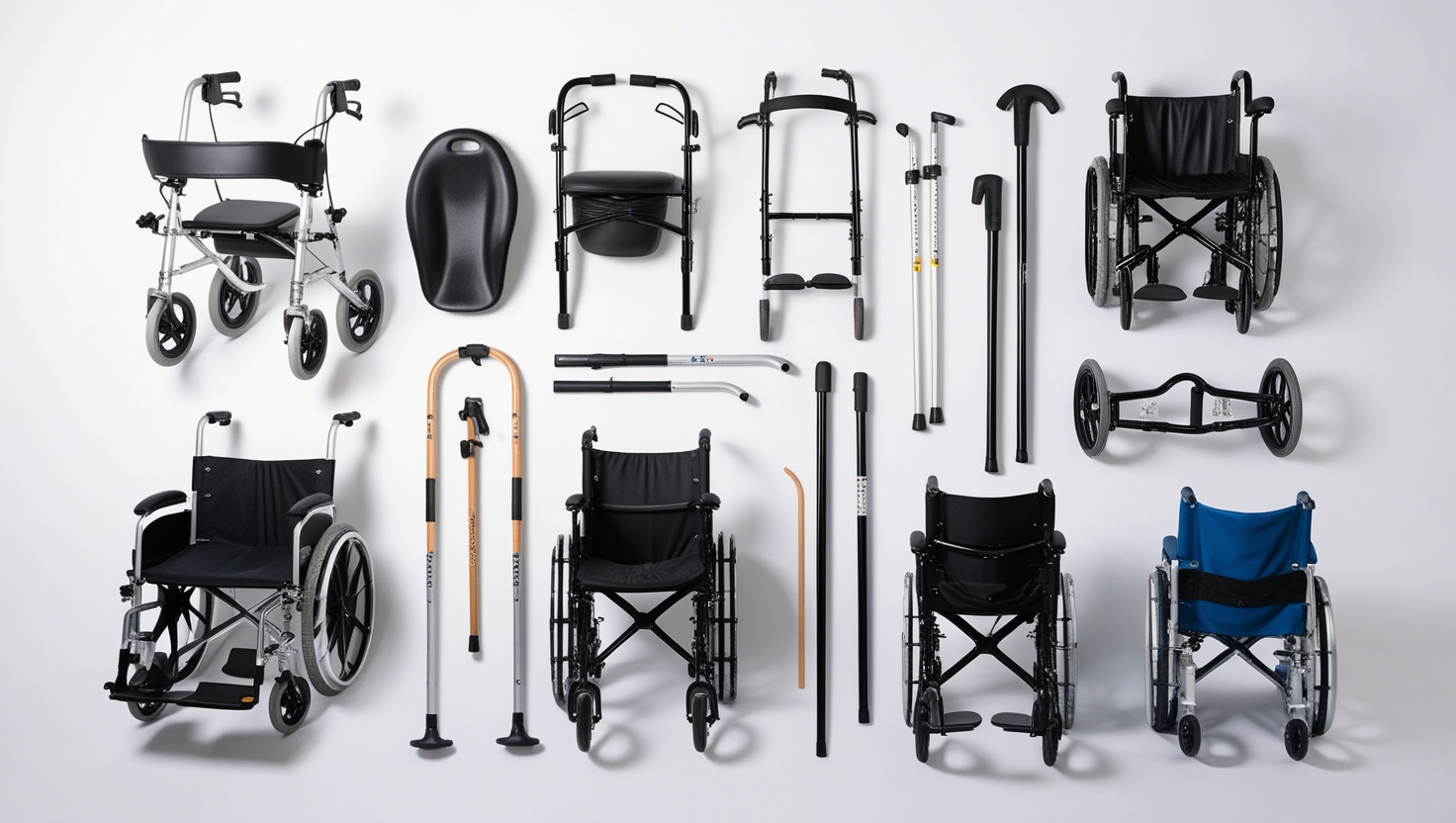
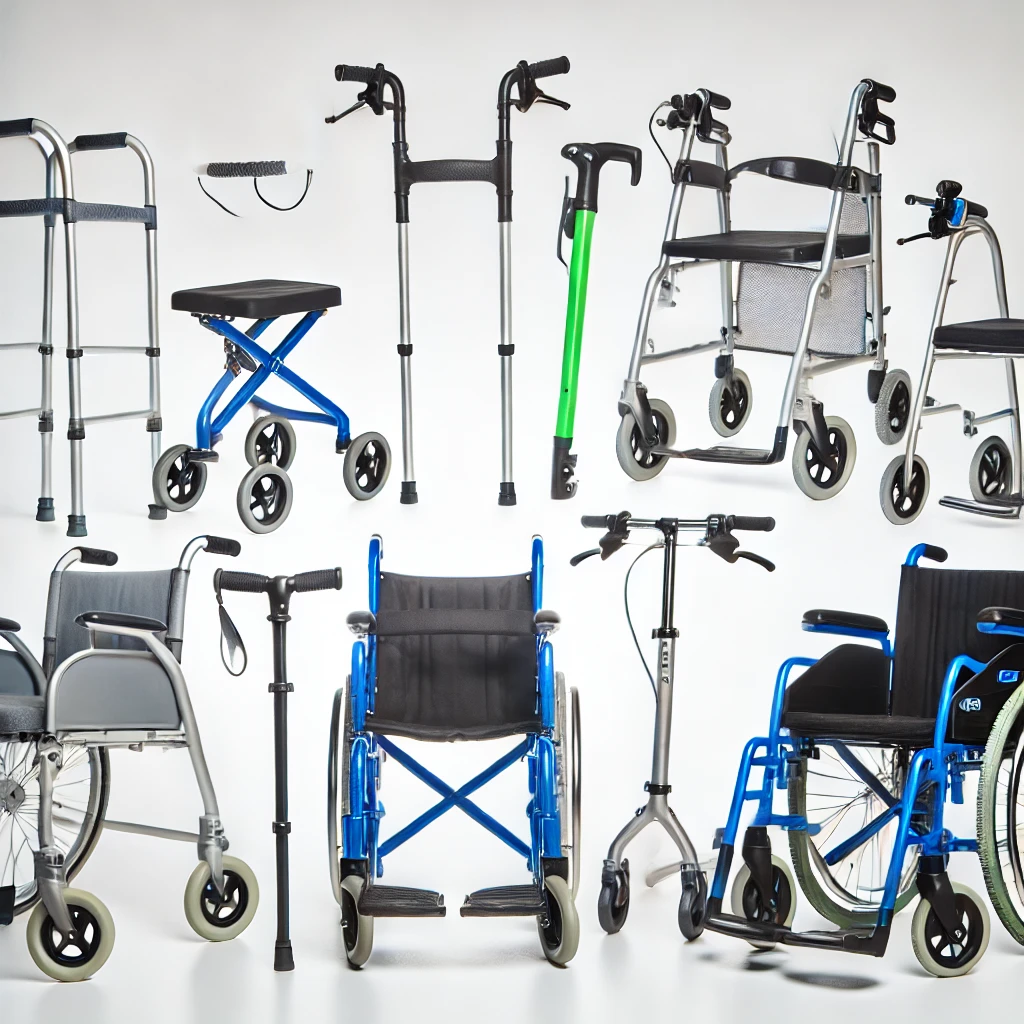
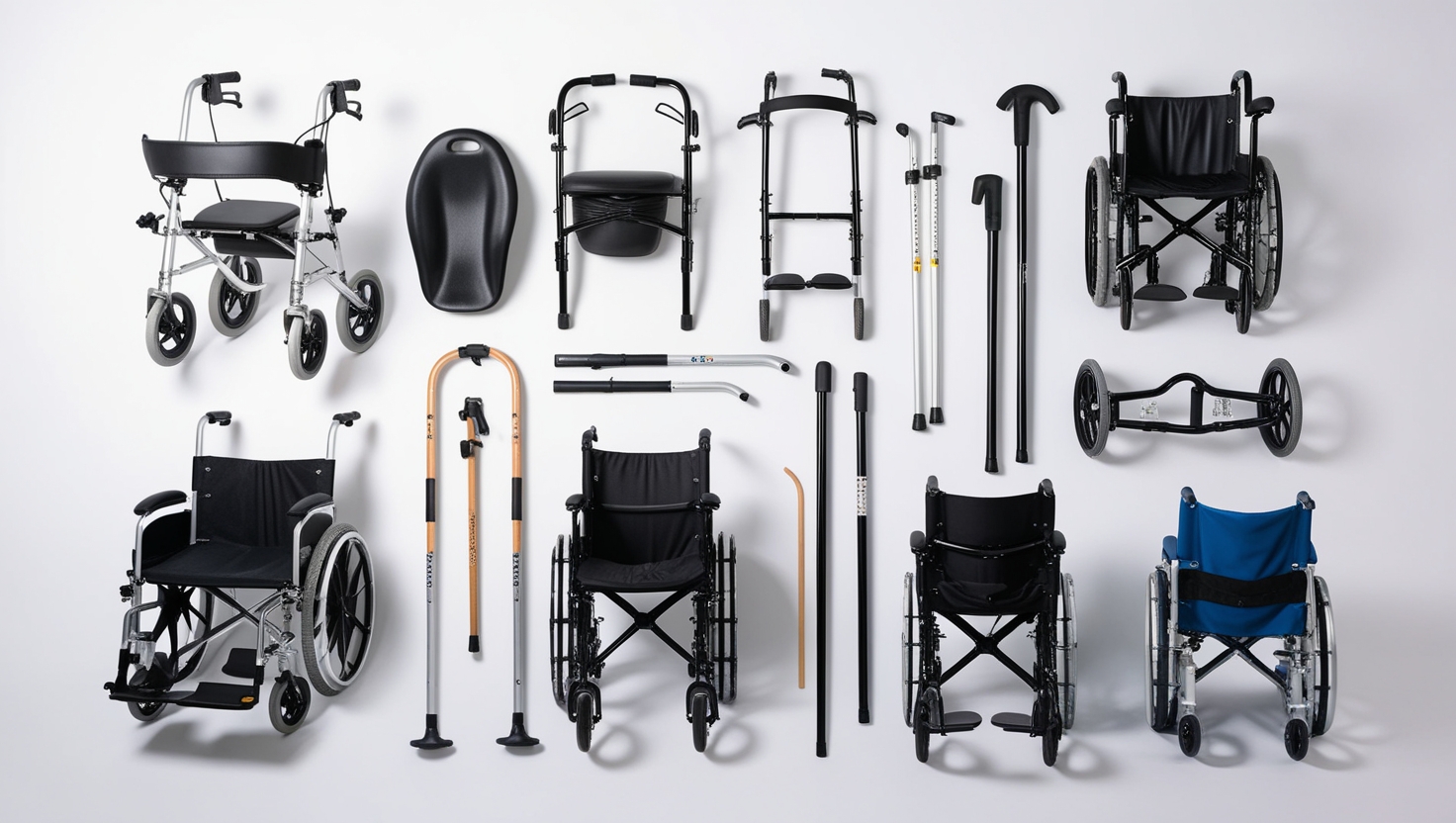
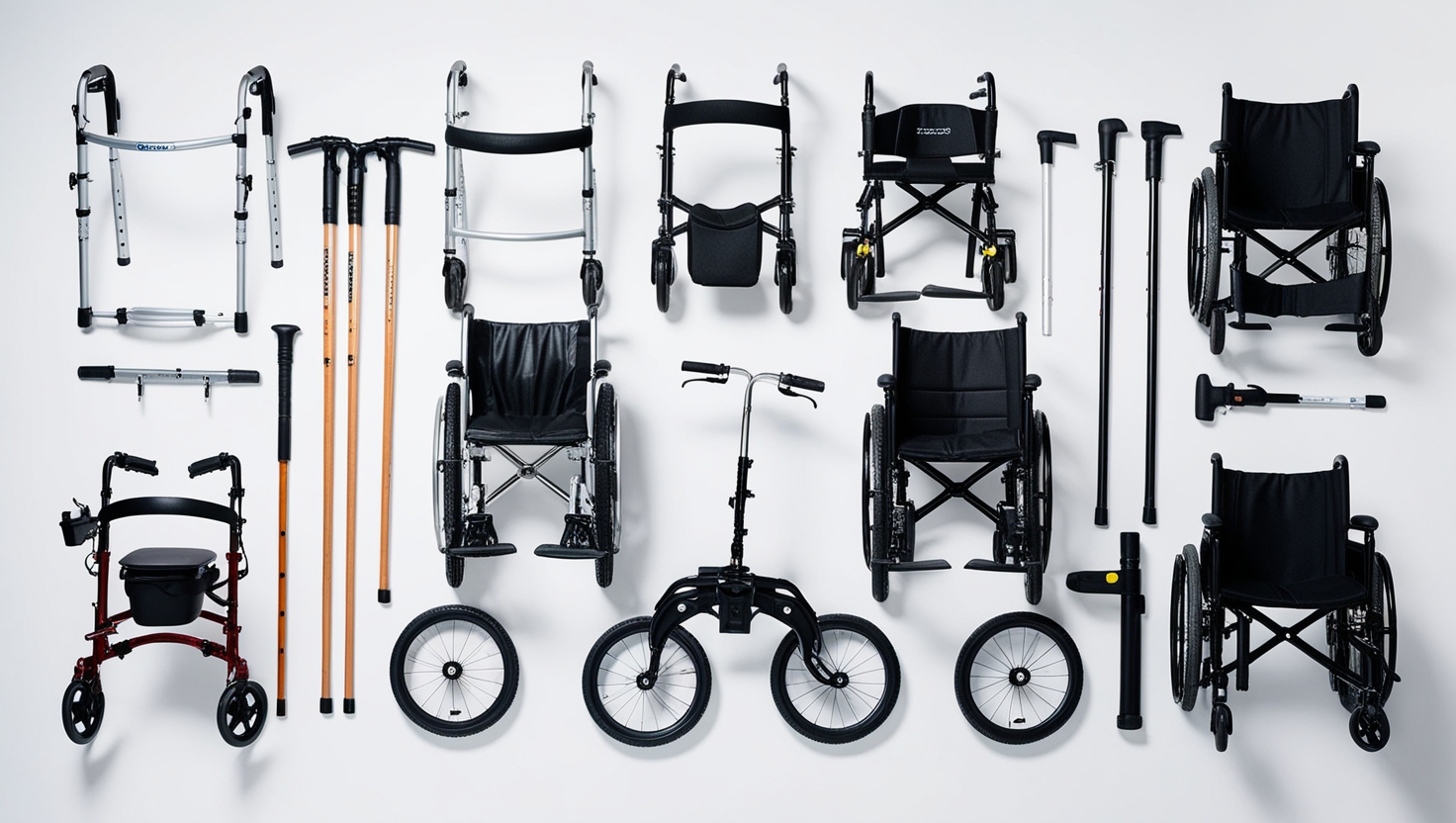
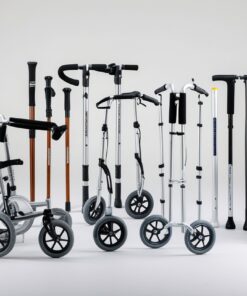

Mobility aids are devices designed to help individuals with movement challenges improve their mobility and independence. Here’s a breakdown of types of mobility aids and their uses:
1. Walking Aids
- Types:
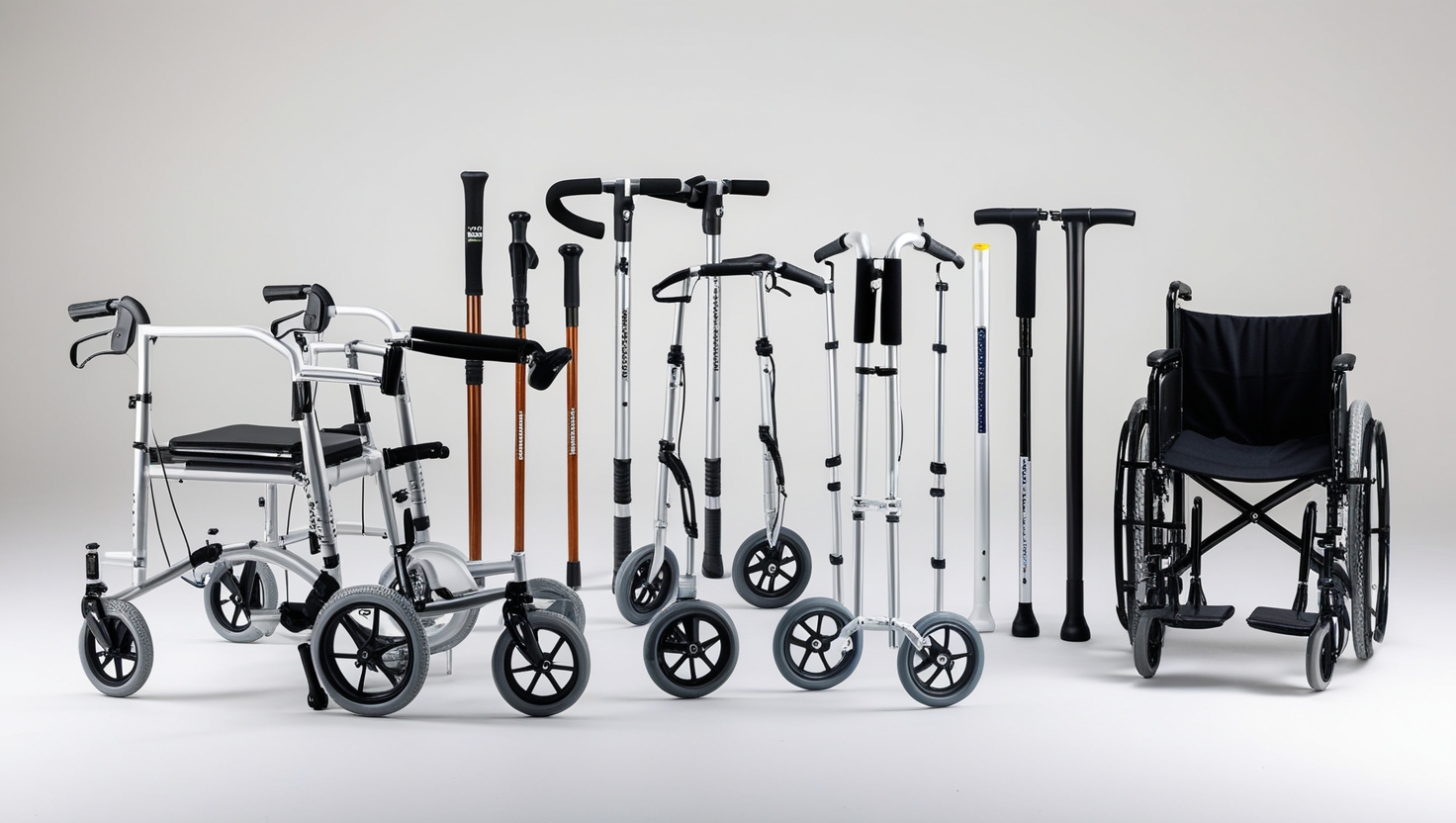
- Canes: Standard canes, quad canes, and offset handle canes.
- Crutches: Axillary crutches, forearm crutches, and platform crutches.
- Walkers: Standard walkers, two-wheel walkers, and rollators (with four wheels).
- Uses:
- Provide support for balance and weight-bearing.
- Assist individuals recovering from injuries or surgeries.
- Offer stability for people with arthritis, joint issues, or neurological conditions.
2. Wheelchairs
- Types:
- Manual Wheelchairs: Propelled by the user or a caregiver.
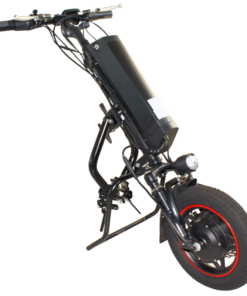
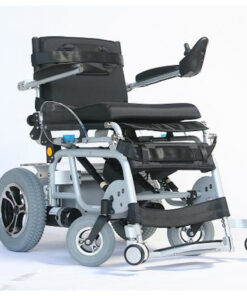
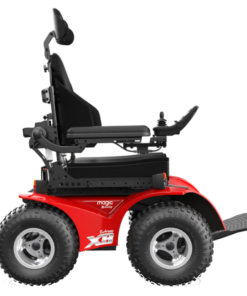
- Electric Wheelchairs: Battery-powered and controlled via joystick.
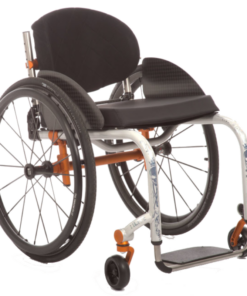
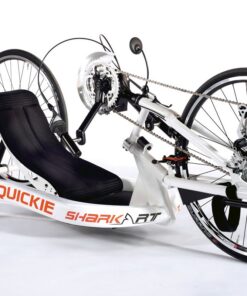
- Sports Wheelchairs: Lightweight and designed for athletic activities.
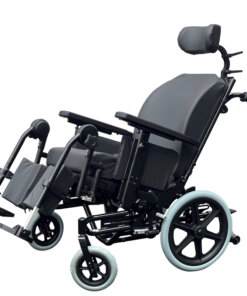
- Reclining or Tilt-in-Space Wheelchairs: For individuals with posture issues.
- Uses:
- Enable mobility for people with severe physical disabilities or paralysis.
- Assist individuals with chronic conditions like muscular dystrophy or spinal cord injuries.
- Provide comfort and support for long-term use.
3. Scooters
- Types:
- Three-wheel and four-wheel mobility scooters.
- Folding or portable scooters.
- Uses:
- Ideal for individuals who can walk short distances but need help with longer distances.
- Used for outdoor mobility, shopping, or community activities.
- Provide comfort and ease of use for seniors or those with joint problems.
4. Prosthetics and Orthotics
- Types:
- Prosthetic Limbs: Artificial legs, arms, or hands.
- Orthotic Devices: Braces, splints, or shoe inserts.
- Uses:
- Replace missing limbs for amputees, improving functionality and appearance.
- Correct or support musculoskeletal alignment issues.
- Aid recovery and prevent further injury during rehabilitation.
5. Lift Chairs
- Uses:
- Assist individuals in sitting down or standing up from a seated position.
- Beneficial for people with reduced strength or mobility due to age, injury, or surgery.
6. Standing Aids
- Types:
- Sit-to-stand devices.
- Standing frames or standers.
- Uses:
- Help individuals move from sitting to standing positions.
- Provide support during physical therapy or rehabilitation.
- Improve circulation and prevent complications like pressure sores.
7. Mobility Hoists
- Types:
- Ceiling hoists.
- Portable floor hoists.
- Sit-to-stand hoists.
- Uses:
- Transfer individuals from beds, chairs, or bathrooms safely.
- Reduce strain for caregivers during transfers.
- Suitable for people with severe mobility impairments.
8. Stairlifts
- Uses:
- Assist individuals in moving up and down stairs safely.
- Suitable for people with limited mobility or balance issues.
- Common in homes of elderly individuals or those with arthritis.
9. Knee Walkers
- Uses:
- Alternative to crutches for individuals recovering from foot or ankle injuries.
- Allow the user to rest the injured leg while propelling with the other.
10. Specialized Aids
- Types:
- Gait Trainers: For children or adults with developmental disabilities.
- Hemi Walkers: For individuals with hemiplegia or weakness on one side of the body.
- Crawl Trainers: Assist children with crawling mobility issues.
- Uses:
- Promote movement development or rehabilitation in specific conditions.
- Support users during physical therapy or motor skill training.
11. Mobility Aids for Visual Impairment
- Types:
- White canes.
- Guide dog harnesses.
- Uses:
- Assist visually impaired individuals in navigating their surroundings.
- Enhance independence and confidence in mobility.
Each type of mobility aid is tailored to meet specific needs, ensuring greater safety, independence, and quality of life for the user.
4o
Is this conversation helpful so far?